Noise and Vibration Monitoring Station
Watch™
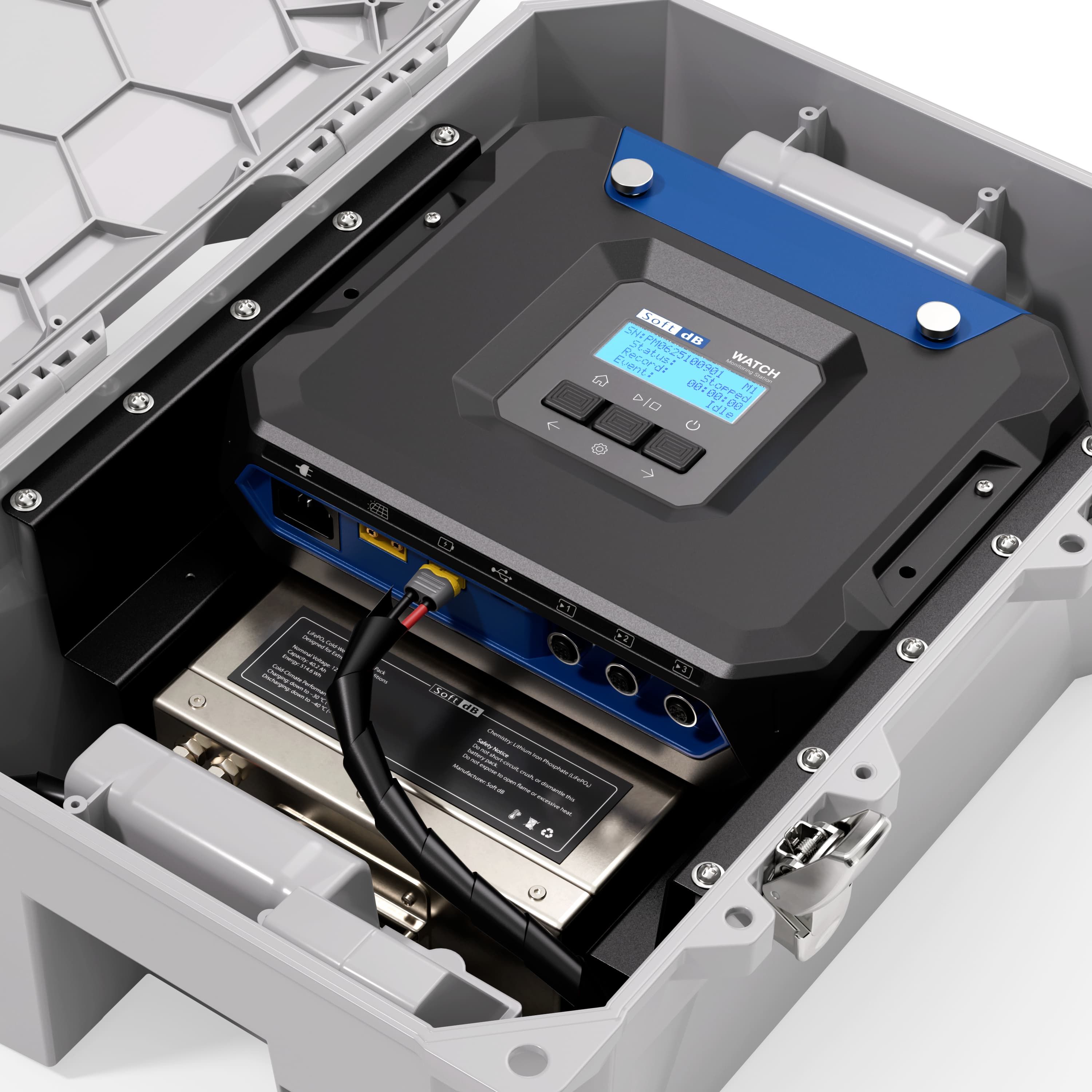
Watch is a Class 1 noise and vibration monitoring station engineered for continuous, real-time measurements in demanding construction, mining, and industrial environments.
Simultaneously measure noise, vibration, blast overpressure, weather, and more — from a single, optimized monitoring station.
Powered by Smart Sensors technology with integrated self-check and digital signal processing, Watch delivers reliable long-term data while reducing field intervention and lowering cost of ownership.
Sound
Class 1 Environmental Noise
(IEC 61672-1, ANSI S1.4)
Vibration
Ground & Structural Vibration
PPV, RMS, Dominant Frequency
(DIN 4150-3, ISEE, BS 7385-2)
Blast Overpressure
Air Overpressure and Class 1 Noise
from a Single Smart Microphone
Environmental
Weather, Hydroacoustics, and Infrasound
- Up to 3 Smart Sensors Simultaneously
- True Real-Time Monitoring Within Seconds
- Local Data Logging and No Data Loss
- Instant Alerts with Configurable Thresholds and Automated Reporting
- Up to 29 Days of Battery Life
Set-It-And-Forget-It Monitoring. Done Right.
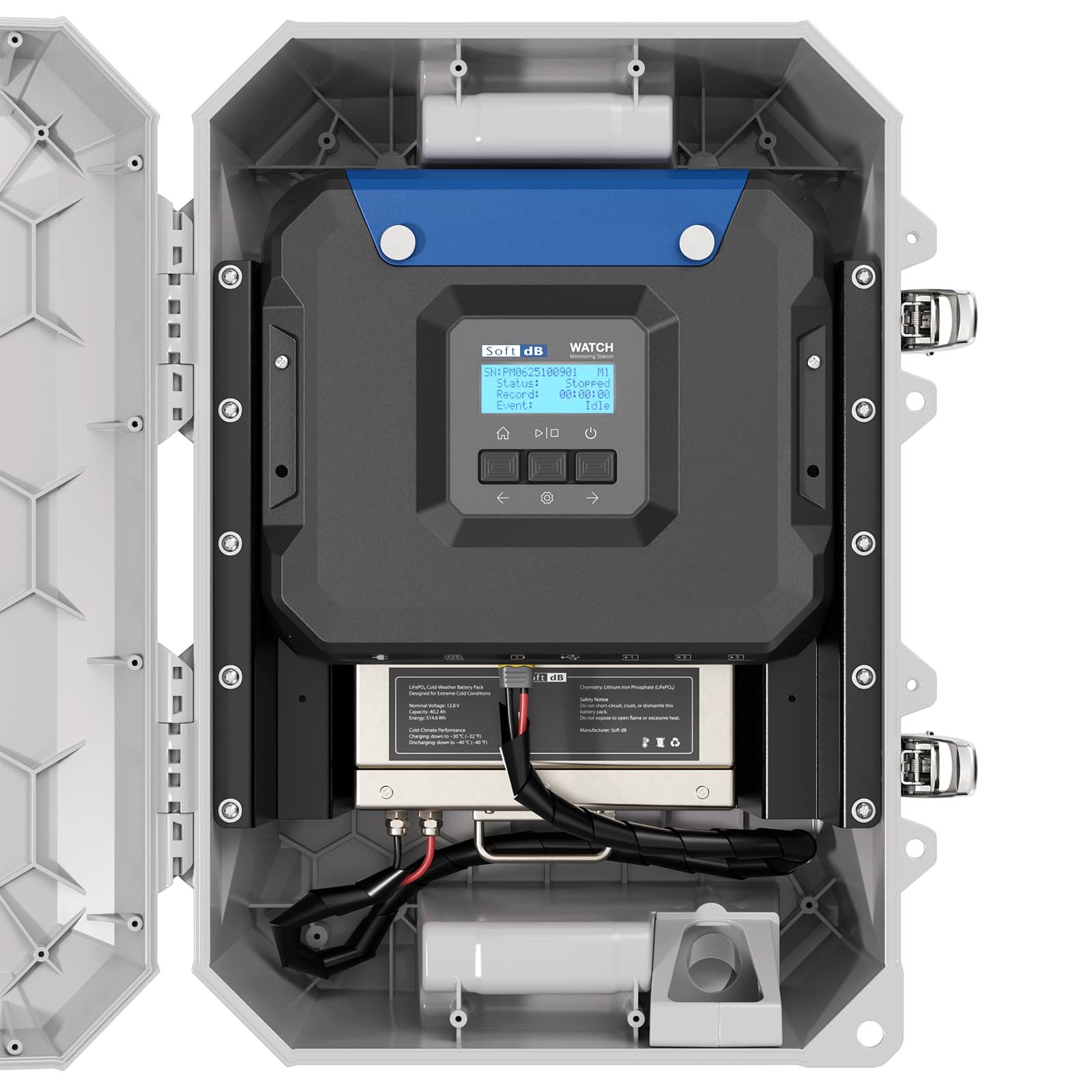
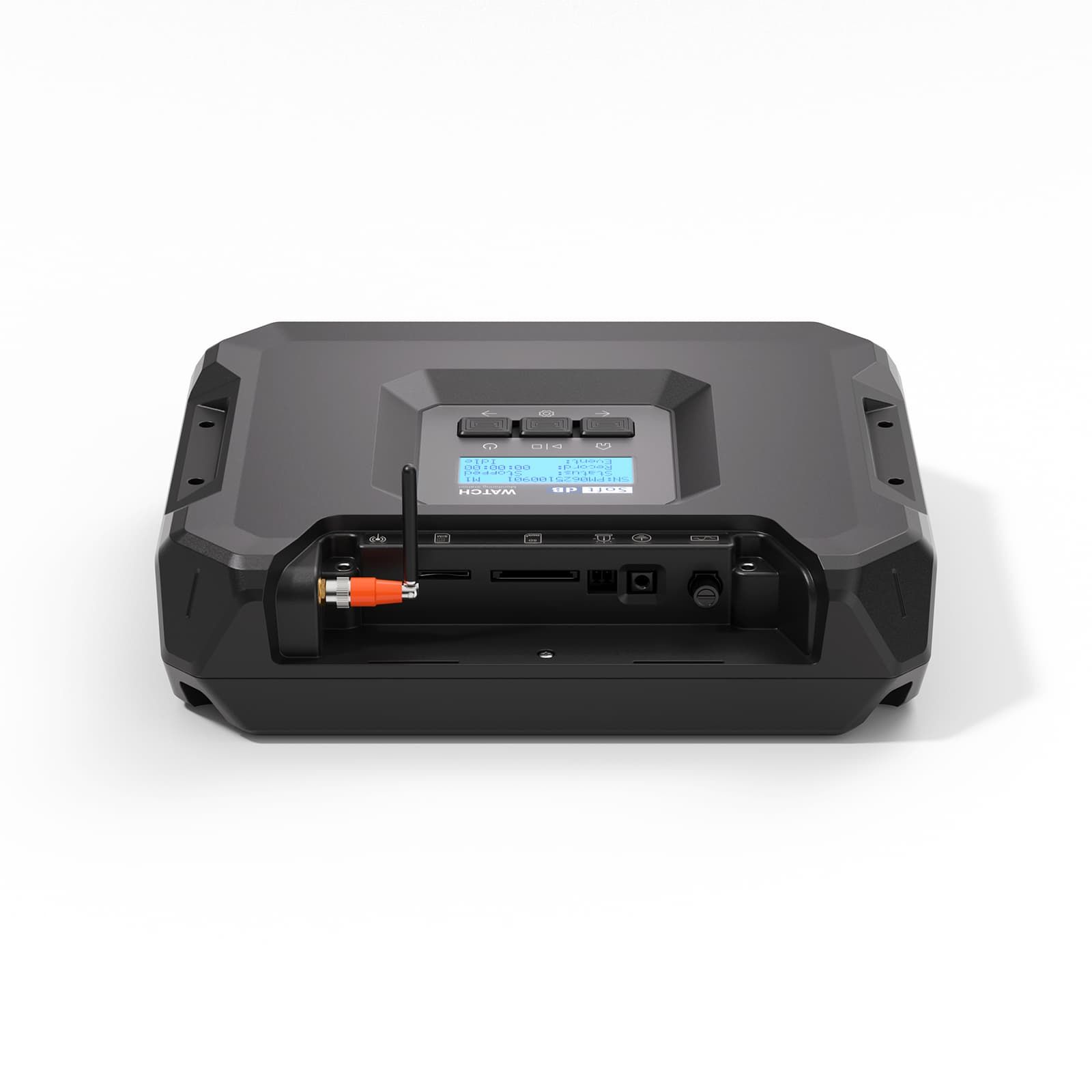
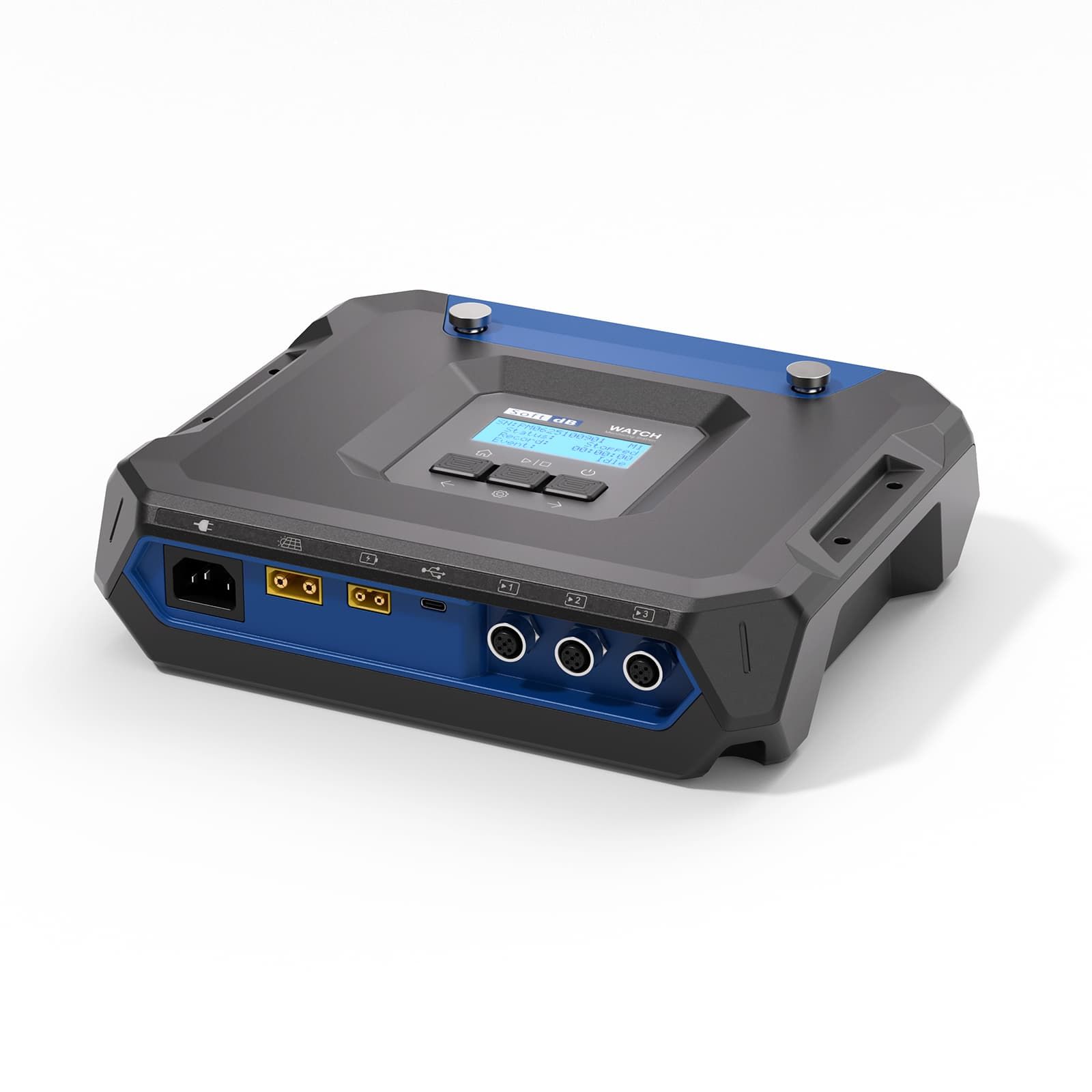
Engineered for Real-World Field Conditions

Mining & Industrial

Construction

Infrastructure

Ports & Marine

Transport
Measurement Capabilities
Environmental Monitoring. All in One System.
Simultaneously monitor noise, vibration, weather, blast overpressure, and more from a single station. Add multiple Smart Sensors as needed without changing platforms or workflows. One system. One synchronized dataset. Real-time environmental monitoring.
Ground Vibration Monitoring
PPV – RMS – Dominant Frequency – 1/3 Octave – Frequency Spectra
For ground vibrations, buildings and structures, blasting, transit, and vibration-critical instruments. Supports Smart Triaxial Geophones and MEMS strong-motion sensors.

For ground vibrations, buildings and structures, blasting, transit, and vibration-critical instruments. Supports Smart Triaxial Geophones and MEMS strong-motion sensors.
Key Metrics
- PPV, PVS, RMS (DIN 4150-3, ISEE, AS 2187.2)
- Dominant frequency
- 1/3 octave bands (peak and RMS)
- Adjustable 1 Hz - 400 Hz frequency range
- Time periods down to 1 second
- Peak particle acceleration and RMS (Smart MEMS Sensor only)
- Waveform recording on trigger or continuously
Use Cases
- Blasting and demolition
- Construction
- Transit vibration monitoring (road and rail)
- Critical instruments (laboratories, hospitals, museums, data centers)
- Microseismicity
Class 1 Noise Monitoring & Air Overpressure
Noise – Air Overpressure – Infrasound – Combined
Complete sound level meter engineered for both short-term and long-term measurements, enabling simultaneous Class 1 noise, blast overpressure, and infrasound monitoring within a single sensor. No locked features.
Complete sound level meter engineered for both short-term and long-term measurements, enabling simultaneous Class 1 noise, blast overpressure, and infrasound monitoring within a single sensor. No locked features.
Key Measurements
- Class 1 sound level meter (IEC 61672-1 / ANSI S1.4)
- Leq, Lmax, Lmin, Ln, Lpeak, LAftm5
- Frequency range from 0.5 Hz to 21 kHz
- 1/3 octave from 6 Hz to 20 kHz
- dBA, dBC, dBZ, dBG
- Blast air overpressure measurement (ISEE)
Use Cases
- Construction and industrial environments
- Mining and quarries
- Noise compliance and community impact monitoring
- Environmental, wind-farms and data centers
- Portable or permanent deployments to measure sound levels
Underground Vibration Monitoring – Borehole
1–400 Hz (1/3 Octave) – ISEE / DIN / AS 2187 – Integrated Sensor Check – Up to 100 m Cable
Smart triaxial borehole geophones with surface-accessible electronics for simplified maintenance and low-cost sensor replacement.
Smart triaxial borehole geophones with surface-accessible electronics for simplified maintenance and low-cost sensor replacement.
Key Capabilities
- Model covering both ISEE and DIN specifications
- 1/3 octave from 1 Hz to 400 Hz
- Adjustable frequency range
- IP68
- Surface-accessible electronics for simplified maintenance
- Low-cost sensor replacement
- Interference-free digital signal
- Automatic integrated Sensor Check
Use Cases
- Underground mining operations
- Tunnels and burried structures
- Tailing dams and structures critical to vibrations
Weather Metrics
Wind – Temperature – Humidity – Pressure – Precipitation — Fully Synchronized
Weather data, fully synchronized with your noise and vibration measurements for seamless interpretation and defensible results.
Weather data, fully synchronized with your noise and vibration measurements for seamless interpretation and defensible results.
Key Measurements
- Wind speed and direction
- Temperature
- Relative humidity
- Atmospheric pressure
- Precipitation
Use Cases
- Compliance assessment
- Weather monitoring
- Multi-parameters alerting system
What Sets Watch Apart
Watch is a flexible and complete environmental monitoring system designed to simplify deployment, improve data reliability, and reduce operational burden.
Every Parameter. One Station.
No Separate Systems. No Fragmented Alarms.
Simultaneously measure all key environmental parameters with a single integrated system, combining advanced acoustics and vibration monitoring for reliable, high-quality data, whatever the project.
Simpler Setup. Less Time Managing Equipment. Better Decisions.
Class 1 Sound
Short- and long-term, streaming audio
Ground and Structural Vibration
Triaxial geophones, MEMS, borehole sensors
Weather
Blast Overpressure
Infrasound
Hydroacoustics
Smart Sensors
Fewer Site Visits. Lower Cost of Ownership. Better Data.
- Embedded signal processing enabling independent sensor certification
- Fully digital signal output, minimizing interference
- Integrated Sensor Check for simple remote validation
- Suitable for short- and long-term measurements
- Open architecture with third-party data logger compatibility
Local Data Logging
No Network? No Problem. No Data Loss.
- Continuous local data acquisition and storage, independent of network status
- Extended memory to prevent data loss during network outages
- Autonomous sync when connectivity is restored
- Ideal for remote, underground, or isolated environments
Battery Life
Built for the Field.
- Extended battery life, up to 29 days
- Compatible with battery, AC power, and solar panel
- Continuous operation in the harshest environments
- Operate longer. Fewer interventions. Lower operational costs.
Web Platform
Everything in One Place.
- Advanced alert system, get notified only when it matters, with automated reporting
- All metrics available, with no hidden fees
- Secure data hosting
- Secure data sharing with tiered access levels: clients, regulators, internal teams
- Remote system integrity monitoring and status tracking
- Analyze and compare noise, vibration, and more on a single graph
- API integration to your existing monitoring platform
- AI-powered audio recognition for noise source classification
Advanced Technology
Simplified Operation.
Stay up to date with the latest technology with no hardware replacement required.
Visual Alerts for Vibration Monitoring
Enabling live alerts and adjustments even without connectivity
Continuous Audio Recording
For effective community noise management
Master Trigger™
Automatic summary alerts and concise post-blast reports
Over-The-Air (OTA) Updates
Keeping your stations and sensors up to date remotely with no field intervention
Watch Works Where You Work
Watch was designed for the way consultants, engineers, and environmental professionals actually operate: mixed project durations, demanding environments, and real accountability when alerts, data quality, and reports matter.
Acoustic & Vibration Consultants
One Monitoring System. Every Application.
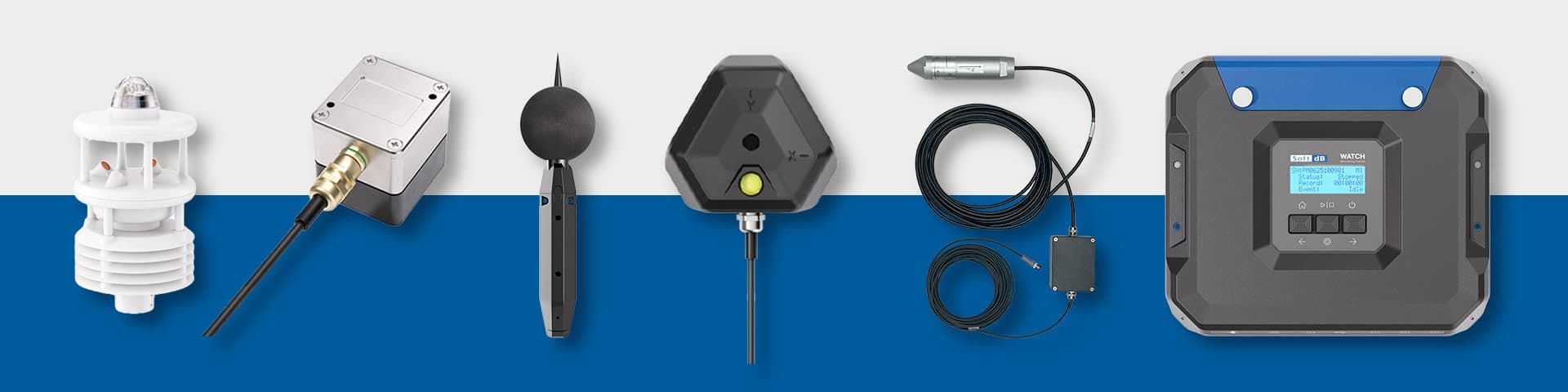
Consultants and acoustics & vibration professionals don’t work in one mode. You move between short-term studies and long-term monitoring, different requirements, environmental parameters, and measurement needs. Watch has you covered. With Watch, you use the same system regardless of the parameters to be measured or the requirements of the project. This makes it easier to train your teams, simplifies operations, and reduces costs from deployment through data analysis.
Workflows
- Short-term measurements: deploy quickly for on-demand measurements without relying on cloud services or ongoing subscriptions. Simply post process data through PC-softwares.
- Long-term monitoring: full continuous monitoring with remote communication and access, alarms, and complete data traceability.
- One system for both workflows: no need for separate instruments and no limitations between use cases.
Flexible Use of Our Solutions
- Sensors connected to a PC for quick measurements.
- Station and sensors in a standalone mode.
- Complete monitoring solution with web-based data acquisition.
Designed for How Consultants Actually Operate — in the Field and in Business.
Technical Overview
Watch Specifications
 Download Full Specifications
| Controller | |
|---|---|
| System Architecture | Multi-parameter monitoring, one synchronized dataset |
| Number of Channels | 3 channels |
| Connectivity | 4G / LTE, remote access, USBC |
| GPS | Integrated |
| Data Storage | Local logging (no data loss) and cloud platform |
| Remote System Check | Yes — Advanced real-time and automated remote diagnostic tools |
| Firmware Updates | Over-the-air updates |
| User Access | Multi-user, role-based access |
| Operating Temperature | -40 °C to +40 °C |
| Platform | Web-based dashboard with API access |
| Deployment | Short or long-term, autonomous operation |
| Enclosure | Field-ready, harsh environments |
| Vibration | |
|---|---|
| Sensors | Smart Triaxial Geophone, MEMS accelerometer |
| Measurements | Peak Particle Velocity (PPV), RMS, frequency, time history, 1/3 octave bands |
| Standards | DIN 4150-3, BS 7385-2, ISEE, AS 2187.2 |
| Frequency Range | Adjustable frequency range (application-dependent) |
| Sampling | High-resolution, synchronized with all parameters |
| Borehole Compatibility | Yes |
| Time Period | Down to 1 second periods |
| Sensor Check | Automated (remote validation) |
| Output | Fully digital |
| Sound and Overpressure | |
|---|---|
| Standards | Class 1 (IEC 61672-1, ANSI S1.4) |
| Measurements | Leq, Lmin, Lmax, Ln |
| Frequency Analysis | 1/3 octave, FFT |
| Weighting Filters | A, C, Z, G |
| Frequency Range | 0.5 Hz - 21 kHz |
| Blast Overpressure | Air overpressure and infrasound |
| Audio Recording | Continuous and event-based |
| Audio Streaming | Yes |
| Time Periods | Down to 1 second periods |
| Dynamic Range | 117 dB |
| Sensor Type | Smart Acoustic Sensor (digital output) |
| Weather | |
|---|---|
| Parameters | Wind speed, wind direction, temperature, humidity, pressure, rain |
| Integration | Fully synchronized with other sensors |
| Use Case | Correlation and data validation |
| Deployment | On-site, real-time measurement |
Noise and Vibration Monitoring Station Questions
Planning & Deployment
What Is a Noise and Vibration Monitoring Station Used For?
A noise and vibration monitoring station is used to continuously monitor noise and vibration levels, including environmental noise monitoring and ground vibration monitoring, providing actionable data for informed decisions.
A monitoring station, such as the Watch Station, is a complete environmental monitoring system designed to support regulatory compliance, detect exceedances, and provide reliable measurement data across construction sites, industrial environments, and mines.
With Watch, real-time means second-by-second data — not delayed transmission minutes or hours later. Real-time as it is.
Where Should a Noise Monitoring Station Be Placed on Construction Sites?
Monitoring stations should be installed at sensitive receptors such as nearby buildings or property boundaries. Proper placement is critical to ensure regulatory compliance and accurate data across construction projects.
Environmental factors, obstructions, and installation stability must also be considered to avoid affecting measurement accuracy.
How Many Monitoring Stations Does a Project Actually Need?
The number of monitoring stations depends on site size, number of sources, and proximity to sensitive areas. Complex sites often require multiple stations to capture noise exposure and vibration exposure across the site.
Our technical support team is available to help you determine the best options for your project.
How Do I Power a Monitoring Station on a Remote Site With No Access to Grid Power?
Monitoring stations can be powered using internal battery systems, solar panel setups, or hybrid configurations designed for long-term monitoring in remote locations. Watch features an embedded power management module that allows seamless integration of solar panels, external batteries, or hybrid power systems.
Does Watch Work In Remote Locations With No Internet Connection?
Yes. Local data logging ensures continuous operation and secure data storage, even without network connectivity and remote communication. The measurements can then be processed offline.
Can Watch Be Used for Short-Term Measurements?
Yes. Watch supports both short-term measurements and long-term continuous monitoring, with a single complete system, without requiring different subscriptions or instruments.
Is There Any Maintenance Required for My Microphone?
Routine maintenance of a monitoring station typically includes regular field calibrations and annual laboratory calibration to maintain optimal performance. The Smart Acoustic Sensor features the Sensor Check function, which enables remote verification of proper operation and significantly reduces the need for field interventions. When a routine field calibration is required, it takes just three clicks.
Should I Periodically Verify That My Monitoring Station Is Operating Properly?
For standard monitoring systems, the station should be checked periodically to ensure that batteries remain charged and telemetry systems are functioning properly. However, when paired with the Soft dB Web Platform, Watch proactively notifies users whenever attention is required, helping ensure reliable operation and peace of mind. The system can automatically send SMS messages or email notifications when an action is required or when a threshold exceedance is detected.
Watch, Performance & Decisions
Why Is Watch a Better Vibration and Noise Monitoring Station Than Other Systems?
Watch™ the Difference
| Feature | Watch Monitoring Station | Typical Monitoring Systems |
|---|---|---|
| Calibration Process | Sensor-only calibration and certification Station stays deployed |
Full station removal — monitoring interrupted |
| Sensor Self-Check | Daily automated Sensor Check | Manual checks or scheduled site visits |
| Multi-Sensor Capability | Noise, vibration, weather, and blast overpressure — all in one system | Limited to noise and, in some cases, vibration levels |
| Offline Data Storage | Full local recording — no network dependency | Limited or dependent on connectivity |
| System Reliability | Continuous operation No data gaps |
Data gaps possible during outages |
| Real-Time Data | Instant, continuous access | Delayed (hourly or daily updates) |
| Battery Performance (Cold) | Up to 29 days of autonomy. Optimized for cold environments | Generally limited |
| Short-Term Measurements | Supported via Smart Sensors (standalone use, no subscription required) | Subscription required regardless of duration |
| User Access Management | Multi-user Role-based access Custom dashboards |
Shared accounts or limited access control |
| Data Access & Ownership | Full access to data through the API and Smart Sensor software | Limited access. Proprietary platforms, lock-in |
| Audio Recordings | Continuous or triggered audio for source identification | Trigger-based or unavailable |
| Platform Pricing | All metrics included No hidden fees |
Module-based pricing. Additional costs expected |
What Standards Does Watch Comply With for Monitoring Noise and Vibration?
Watch complies with Class 1 noise monitoring standards (IEC 61672) and vibration standards such as DIN 4150-3 and BS 7385-2, among others.
These standards ensure measurement accuracy, reliability, and compliance with regulatory requirements.
How Does a Noise and Vibration Monitoring System Send Alerts?
Modern noise and vibration monitoring systems, such as Watch, include advanced features such as visual alarms, email notifications, and SMS alerts. These systems continuously monitor environmental conditions and automatically notify users when thresholds are exceeded, enabling faster response times and better control of construction and industrial activities.
How Many Sensors Can Be Connected Simultaneously to a Watch Monitoring Station, and Which Ones?
You can connect up to three Smart Sensors simultaneously to a Watch monitoring station, typically including:
1 × Smart Acoustic Sensor (SAS)
- Class 1 noise
- Blast air overpressure
- Infrasound
Up to one vibration sensor, such as:
- Smart Triaxial Geophone Sensor, SGS
- Smart Vibration Sensor (MEMS accelerometer), SVS
- Smart Triaxial Borehole Geophone, BH-SGS
Additional environmental inputs
Weather measurements are also supported through dedicated inputs and modules, including:
- Wind speed and direction
- Temperature
- Humidity
- Atmospheric pressure
- Precipitation
Noise, vibration, and environmental parameters are measured simultaneously and fully synchronized. Everything is available in one system, one dataset.
How Do I Handle a Noise or Vibration Complaint When I Have Monitoring Data Showing No Exceedance?
Monitoring data provides objective evidence. If no exceedance is recorded, it can help demonstrate compliance and resolve disputes in a timely manner. This is why Watch delivers Class 1 noise monitoring, providing accurate and defensible data for compliance, investigations, and stakeholder communications.
How Long Does the Internal Battery Last?
The internal battery provides up to 29 days of operating time without solar panels or external power, allowing increased operating times.
For extended deployments, an external battery or a solar panel can be connected, increasing autonomy.
Can Data Be Sent Directly to an External Server?
To ensure data integrity and system reliability, data cannot be pushed directly to an external server without going through the Watch platform. However, full data access and transfer is available via API, allowing you to:
- Retrieve all measurement data
- Integrate data into your own systems
- Build custom dashboards
- Develop internal alerting and reporting workflows
The Watch platform also provides:
- System integrity monitoring
- Built-in alert management
- Centralized data access
- User and permission management
- Secure data storage and visualization
How Do You Ensure Optimal Connectivity to the Cellular Network?
Our Watch monitoring stations contain a complete system that performs continuous verification, dynamic diagnostics, and optimization of the cellular communications. No one should be forced to choose between their sensor location and optimizing the cellular signal.
Place your sensors exactly where they’re needed. Simply move the station to an area with better cellular coverage, connect it to the sensor, and you’re all set.
- Real-time dynamic signal optimization: The station automatically adjusts to changes in cellular networks, ensuring maximum communication quality.
- Automatic dynamic diagnostics: All checks are performed directly by the station.
- Simplified installation: The station automatically tests cellular network quality to ensure optimal station placement during setup.
- Maximum flexibility: Need even better signal reception? The station supports external antenna extensions.
What Accessories Are Available to Support My Project?
- Rugged protective cabinet
- Heavy-duty tripod
- Solar power system for extended, autonomous operation
- High-capacity battery
- Cabinet mounting bracket
- Tripod ballast weights
- Anchoring systems
By working directly with Soft dB, the manufacturer, you gain access to the equipment, accessories, and technical expertise needed to configure a complete noise and vibration monitoring solution for your project.
Is Watch Available for Rental?
Yes. Watch monitoring station can be purchased or rented, offering flexibility depending on project requirements and equipment needs.
Ready to Deploy the Noise & Vibration Monitoring Station Engineered for Your Reality?
Watch was built for the realities you face in the field — not for simplified demos or ideal setups. Noise. Vibration. Overpressure. Weather. And more. All monitored simultaneously. One system. Engineered to keep up with your projects. Demand more from your monitoring system. Choose Watch.
Get a quote